
NEGOCOACH
226
Origin : Cognitive science

🧠 Cognitive science

Behavioural economics & social psychology

R. Cialdini ("Influence", 1984), D. Kahneman & A. Tversky, R. Thaler, D. Ariely.

Full detail in the “Origin & history” section below.

226

The Pratfall Effect

Social influence Technique 226 / 360
Alexandre Baumberger

Author of the library

Alexandre Baumberger

Negotiation lecturer at KEDGE Business School

A rare threefold background serving negotiation: teaching, commercial justice and audit, backed by experience as a company director in Bordeaux.

  • Teaching, KEDGE Business School Negotiation lecturer since 2014 (12 years).
  • Commercial justice, Commercial Court Judge from 2018 to 2026: litigation, then insolvency proceedings.
  • Audit & advisory, over 20 years Tax, employment and financial audit in major firms, for large groups.
In brief

The Pratfall effect describes how a small blunder makes a person more likeable and credible when they are already perceived as competent. An expert who spills their coffee, admits a minor mistake or jokes about a shortcoming gains warmth and authenticity. The flaw humanises and draws people closeri, but only if competence is already established; otherwise the same blunder is detrimental.

Reading level

At a glance

Its family profile at a glance

Effectiveness Psychologicalimpact Discretion Preparation Relationalrisk Ethics
8.0 / 10 Tactical potential

Vigilance: high (6.0/10) · Preparation required: 4/10

Grounding in the source school School grounded in experimental research

Indicative profile: it situates the “Social influence” family as the Cognitive science school practises it, not this technique taken in isolation. Techniques from the same family and school therefore share the same profile. NEGOCOACH editorial rating out of 10, non-experimental · the higher the “relational risk” value, the more costly the technique is to the relationship.

NEGOCOACH assessment

How to read this rating

Tactical potential 8.0/10 (effectiveness, impact, discretion) and vigilance high (relational and ethical risk): two distinct readings, deliberately never merged into a single score that would reward risk. NEGOCOACH editorial rating calibrated from the “Social influence” family and the “Cognitive science” school. Each criterion is rated out of 10; click to understand what it measures.

  • Effectiveness 8/10 · Very high

    How far the technique can carry the negotiation in the intended direction when it is well executed.

  • Psychological impact 9/10 · Very high

    Strength of the effect produced on the counterpart's perceptions, emotions and decisions.

  • Discretion 7/10 · High

    How hard it is for the other party to notice the technique is being used. A high value = very discreet.

  • Preparation 4/10 · Moderate

    The information, analysis and rehearsal required upfront to use it effectively.

  • Relational risk 5/10 · Moderate

    Potential cost to the relationship and to trust if the technique is spotted, refused or fails. A high value = riskier.

  • Ethics 4/10 · Moderate

    Moral acceptability: fairness, transparency and respect for the counterpart's autonomy. A high value = more defensible.

Level of evidence

School grounded in experimental research

The school this technique stems from is grounded in replicated, peer-reviewed experimental work. This indicator qualifies the school, not the experimental validation of this technique taken in isolation.

Indicative NEGOCOACH editorial rating, for teaching purposes. For “Relational risk”, a high value signals a cost to the relationship, not a quality.

Pratfall summary


Origin & history

The effect was demonstrated in 1966 by Elliot Aronson and his colleagues Willerman and Floyd. Subjects listened to a recording of a contestant on a quiz show; in some versions, the contestant clumsily spills a cup of coffee. The result: the blunder makes the brilliant contestant even more likeable, but makes the mediocre contestant even less appreciated. In English, a "pratfall" is a slapstick fall, landing on one's backside.


Definition and principle

The blunder works through contrast and through humanisation: a person who is too perfect is perceived as distant, even threatening; a flaw makes them approachable and authentic. But the effect is conditional, it only operates if competence is already recognised. In someone already judged to be weak, the blunder merely confirms incompetence. The persuasive lever therefore consists in owning a small shortcoming or a minor mistake once your credibility is established, in order to gain likeability and trust.


Concrete examples of application

Application by context

The same technique, across every negotiation settings

Context 1 / 8

Sales negotiation

A recognised expert admits in a meeting: "Honestly, on this particular point, our solution is a notch below the competitor's." Far from working against him, this admission strengthens his overall credibility and the client's trust in everything else he says.

How to apply it

Concede a small, genuine weak point once your competence is established; the measured admission lends credibility to your entire argument by contrast.

Strengths

Builds trust and disarms suspicion in the face of a pitch that is too polished.

Weaknesses

Counterproductive if competence is not yet established, or if the admitted flaw is a deal-breaker.
Context 2 / 8

Procurement negotiation

A buyer sees a supplier spontaneously admit a limitation of their product. Struck by this unusual frankness, the buyer grants them more trust than competitors with a flawless, seamless pitch.

How to apply it

Be aware that the strategic admission of weakness is also a credibility tactic; appreciate the frankness, but check that the conceded flaw does not conceal heavier ones.

Strengths

Spotting the device lets you distinguish genuine transparency from a staged version of it.

Weaknesses

A well-played admission inspires a trust that can lower the buyer's guard.

Context 3 / 8

Labour negotiation

A respected leader acknowledges before their teams an error of judgement they have made. This owned vulnerability, in someone competent, strengthens their moral authority and the loyalty shown to them.

How to apply it

Publicly own a minor error when your legitimacy is secured; the measured humility of a competent leader strengthens buy-in.

Strengths

Humanises the leader and consolidates the team's trust.

Weaknesses

In a contested leader, the same admission feeds doubts rather than soothing them.

Context 4 / 8

Crisis management

Faced with a mishap, a recognised organisation frankly acknowledges a share of responsibility ("we underestimated this risk, and we are correcting it"). This frankness, resting on established competence, restores trust better than denial.

How to apply it

In a crisis, a contained admission of a flaw, coming from a credible actor, defuses distrust better than impeccable defensive communication.

Strengths

Restores trust through authenticity where denial would have destroyed it.

Weaknesses

The admission must remain contained: acknowledging a major fault may instead worsen the crisis.

Context 5 / 8

Political negotiation

An established political figure acknowledges with humour a personal foible or a small mistake. This self-deprecation, against a backdrop of recognised competence, makes them approachable and likeable where arrogance would have isolated them.

How to apply it

Practise measured self-deprecation once your stature is secured; it humanises and draws people closer without undermining your underlying authority.

Strengths

Creates closeness and likeability, valuable electoral assets.

Weaknesses

Risky for a fragile or contested figure, whose slightest admission is turned into weakness.

Context 6 / 8

Real-estate negotiation

An experienced agent voluntarily points out a small flaw in the property ("the kitchen could do with a refresh"). This honesty strengthens their credibility and makes the qualities they subsequently highlight land better.

How to apply it

Point out a minor flaw in the property yourself; owned transparency lends credibility to your whole presentation and reassures the buyer.

Strengths

Establishes a trust that speeds up the decision and disarms suspicion.

Weaknesses

Counterproductive if the flaw pointed out is in fact a deal-breaker for the buyer.

Context 7 / 8

Cross-cultural negotiation

In certain cultures (the United States, France), an expert's humble admission of a flaw strengthens their likeability; in others, more hierarchical or face-sensitive (East Asia), acknowledging a mistake in public may instead cause a loss of face and authority.

How to apply it

Adjust the admission of weakness according to the cultural relationship to face; humanising here, it can be destabilising where authority must remain seemingly flawless.

Strengths

Creates closeness in cultures that value authenticity and humility.

Weaknesses

May cause a loss of face and undermine authority in hierarchical cultures.

Context 8 / 8

Family negotiation

A parent acknowledges to their child that they were wrong ("I was wrong to lose my temper earlier"). This admission, coming from a loving authority figure, strengthens the child's respect and teaches them that a mistake is not something to be ashamed of.

How to apply it

Own your mistakes in front of your children; the vulnerability of an otherwise solid parent strengthens the bond and teaches humility.

Strengths

Consolidates the relationship of trust and passes on a healthy model for dealing with mistakes.

Weaknesses

An excess of admissions can blur the markers of authority that the child needs.


Counter-techniques

Spot and neutralise this technique

Negotiation is also played on defence. Here is how to recognise this technique when it is used against you, and turn it around.

Detect

The signals that give it away

  • "Everyone does it"
  • An authority invoked to close the debate
  • A gift followed by a request (forced reciprocity)

Neutralise

The counters that defuse it

  • Check the real norm
  • Question the authority's legitimacy
  • Refuse the debt created by the gift

Turn around

Turn it into an advantage

Turn social proof around: "Actually, the best do the opposite."

The trap to avoid

Conforming for fear of being the only dissenter.

In brief

  • Difficulty: Intermediate
  • Estimated effectiveness: High (conditional)
  • Time to implement: Instant
  • Fields of application: Sales, Communication, Leadership, Politics, Personal branding
  • Synonyms: Blunder effect, Aronson effect, Humanisation through flaw
  • Tags: Aronson, vulnerability, authenticity, likeability, admission of weakness

Strengths and weaknesses

The Pratfall effect shows that perfection is harmful: a well-placed flaw humanises, draws people closer and lends credibility to a pitch that would otherwise be too polished. It is a powerful lever of trust and likeability, valuable in sales, leadership and personal communication. Its specificity, and its strength, lies in its condition: it only works on already established competence. In someone who has not yet proved themselves, the same blunder is detrimental.


When to use this technique?

To be used once credibility is secured, to humanise and strengthen trust: conceding a genuine weak point, owning a minor mistake, practising self-deprecation. Valuable when facing an interlocutor who is wary of a pitch that is too perfect. To be avoided as long as competence is not established, or in cultures where a public admission causes a loss of face.


How to recognise and counter this technique

Recognise: a highly credible interlocutor conveniently concedes a small flaw that makes them likeable and lowers your guard. Neutralise: appreciate the frankness but check the substance; a minor admission must not exempt you from examining the weighty points. Turn it around: use a measured admission yourself, once your credibility is set, to gain trust.


Limits and ethics

The Pratfall effect becomes manipulation when the "flaw" is calculated to simulate an authenticity that does not exist, or to mask a genuinely serious defect behind a trivial admission. The ethical limit is the sincerity of the admission and the proportion of the flaw conceded. The rule: acknowledge a genuine small weakness in order to be honest, not fabricate a facade of vulnerability to disarm someone else's vigilance.


Variants and related techniques

It dovetails with authentic vulnerability (Brené Brown) and the strategic admission of weakness in argumentation (conceding in order to persuade more effectively). A cousin of the contrast effect (the flaw makes the qualities stand out) and the opposite of the halo of perfection which, pushed too far, arouses suspicion.


To go further

  • Elliot Aronson, Ben Willerman & Joanne Floyd, « The Effect of a Pratfall on Increasing Interpersonal Attractiveness », Psychonomic Science, 1966.
  • Elliot Aronson, The Social Animal, 1972.
  • Brené Brown, Daring Greatly: How the Courage to Be Vulnerable Transforms the Way We Live, 2012.

Objectives of the technique

  • Increase likeability and trust capital by showing a controlled imperfection, without eroding the perception of competence.
  • Humanise an expert or authority posture to reduce distance and the other party's wariness.
  • Defuse rivalry or distrust by signalling that one is neither threatening nor arrogant.
  • Foster identification and reciprocity: an owned vulnerability invites the other to lower their guard and open up.
  • Strengthen the credibility of an overall solid argument by admitting a minor weak point (perceived-honesty effect).

Famous cases

Sales · The expert salesperson who admits a limitation: A sales engineer recognised for his technical mastery presents a complex solution to a purchasing committee wary of overly perfect salespeople. After a flawless demonstration, he spontaneously slips in: 'Honestly, on the reporting module, our interface is less elegant than a competitor's; we know it and a redesign is under way.' This small, owned blunder, coming from someone perceived as highly competent, strengthens the committee's trust: admitting a minor weakness makes all the announced strengths credible, and the salesperson goes from distant expert to honest partner. It is a scenario representative of the Pratfall effect applied to sales.

Politics · The seasoned candidate who admits to nerves: A political figure renowned for their composure and command of the issues confides, before a major debate, that they still get nervous after twenty years in public life. Coming from a figure perceived as highly competent, this admission of fragility does not weaken the image: it brings them closer to the public, who suddenly find them more human and endearing. Representative scenario: calculated vulnerability only works because the underlying competence is not in doubt.


Common mistakes

  • Using the Pratfall when one is not (yet) perceived as competent: in a person judged to be average, the blunder LOWERS likeability (the reverse effect demonstrated by Aronson).
  • Confusing a small, humanising blunder with a serious fault: admitting a mistake that goes to the heart of the expected competence destroys credibility instead of strengthening it.
  • Fabricating a blunder that is too visibly calculated or repeated: perceived as manipulation, it produces distrust and the effect reverses.
  • Genuinely devaluing oneself by stringing together admissions of weakness: the Pratfall rests on ONE minor imperfection, not on a discourse of self-disparagement.
  • Applying the technique in a low error-tolerance context (safety, medical, critical engineering) where displayed imperfection alarms instead of drawing people closer.

Scientific foundations

  • Aronson, E., Willerman, B., & Floyd, J. (1966) The effect of a pratfall on increasing interpersonal attractiveness Psychonomic Science, 4(6), 227-228, DOI: 10.3758/BF03342263
  • Cialdini, R. B. (2007) Influence: The Psychology of Persuasion Collins (revised ed.)

Quick exercise

Test yourself before answering

Answer in your head, then reveal the solution. Memory is built through active recall.

1 Quels signaux doivent vous alerter ?
  • "Everyone does it"
  • An authority invoked to close the debate
  • A gift followed by a request (forced reciprocity)
2 Quelles parades appliquer ?
  • Check the real norm
  • Question the authority's legitimacy
  • Refuse the debt created by the gift

Frequently asked questions

The questions we get most

What is the "The Pratfall Effect" technique?

The Pratfall effect describes how a small blunder makes a person more likeable and credible when they are already perceived as competent. An expert who spills their coffee, admits a minor mistake or jokes about a shortcoming gains warmth and authenticity. The flaw humanises and draws people closeri, but only if competence is already established; otherwise the same blunder is detrimental.

Is the "The Pratfall Effect" technique ethical?

It sits on the line: effective, but it can tip into manipulation if it exploits an information asymmetry. Use it with measure and without deliberate deceit.

How do you defend against "The Pratfall Effect"?

Conforming for fear of being the only dissenter. The right reflex: check the real norm.

What is the "The Pratfall Effect" technique based on?

NEGOCOACH does not assess the experimental validation of this technique in isolation. What we document is the grounding of its source school (Cognitive science): school grounded in experimental research. Full detail is in the "At a glance" section of this page.

Practise with AI

Three ready-to-use prompts

Copy, paste into your assistant, replace the [brackets]. Works with ChatGPT, Claude, Gemini, Mistral, Perplexity.

Prepare

Build your plan before the meeting

You are an expert negotiation coach. Help me prepare to use the "The Pratfall Effect" technique in the following situation: [describe your situation]. Give me: the conditions for success, a 3-step script, my counterpart's likely objections and how to answer them.

Simulate

Rehearse against an AI counterpart

Play the role of my counterpart in a negotiation. I am going to test the "The Pratfall Effect" technique. React realistically and with resistance, do not give in too quickly, then at the end analyse my performance and suggest 3 concrete improvements.

Debrief

Analyse a past negotiation

Here is how my negotiation went: [paste the exchanges]. Analyse whether the "The Pratfall Effect" technique was used well, what worked, the mistakes made, and spell out precisely what I could have done better.

References

Bibliography & credible sources

Founding works of the 🧠 Cognitive science school this technique belongs to.

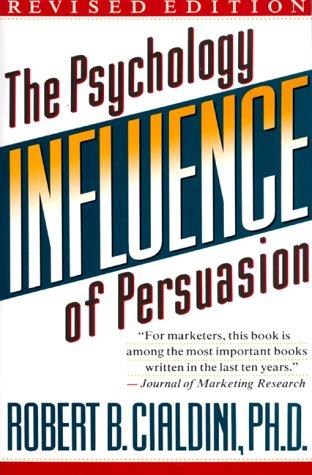
  • Cover: Influence, The Psychology of Persuasion

    Influence, The Psychology of Persuasion

    Book

    R. Cialdini · 1984

    The founding work on the mechanisms of persuasion: six universal principles (reciprocity, consistency, social proof, authority, liking, scarcity) illustrated with striking experiments. A landmark in social psychology.

  • Cover: Thinking, Fast and Slow

    Thinking, Fast and Slow

    Book

    D. Kahneman · 2011

    The sum of Kahneman's work on decision-making: two systems of thought, one fast and intuitive, the other slow and analytical, and the long list of biases that distort our judgements. Essential to understanding others... and yourself.

  • Cover: Nudge

    Nudge

    Book

    R. Thaler & C. Sunstein · 2008

    How to steer choices without constraint, by acting on the "choice architecture". The book popularised the nudge and behavioural economics applied to public policy as much as to management.

  • Judgment under Uncertainty: Heuristics and Biases (Science)

    Article

    A. Tversky & D. Kahneman · 1974

    The founding paper (Science, 1974) that uncovered the heuristics and biases of judgement, including anchoring. The starting point of the behavioural-economics revolution.

R. Cialdini ("Influence", 1984), D. Kahneman & A. Tversky, R. Thaler, D. Ariely.

On video

See the technique in action

Videos to picture The Pratfall Effect and anchor it through examples.

Technique map

Where this technique sits

Every technique sits within a network: what it draws on, what it combines with, where it applies, and how to defend against it.

Levers engaged

biases & emotions

Countered by

Spot its signals, neutralise it and turn it around with the defensive playbook on this page.

See the counter-techniques

Key takeaways

  • En une phrase

    The Pratfall effect describes how a small blunder makes a person more likeable and credible when they are already perceived as competent. An expert who spills their coffee, admits a minor mistake or jokes about a shortcoming gains warmth and authenticity. The flaw humanises and draws people closeri, but only if competence is already established; otherwise the same blunder is detrimental.

  • The right reflex

    Turn social proof around: "Actually, the best do the opposite."

  • Never do this

    Conforming for fear of being the only dissenter.

8.0/10 tactical potential High vigilance School grounded in experimental research

Master this technique in real situations?

Our programmes turn theory into a concrete advantage.

Explore our programmes
Call Book a call