Context 1 / 6
Sales negotiation
A negotiator plays the innocent (“help me understand…”) to get the other side to explain their real constraints, then slips in their key request once the wariness has faded.

🛠️ Methods & tactics
Anglo-Saxon schools of negotiation
C. Karrass, R. Dawson, H. Cohen, N. Rackham (SPIN), T. Gordon (DESC / active listening).
Full detail in the “Origin & history” section below.

Author of the library
Negotiation lecturer at KEDGE Business School
A rare threefold background serving negotiation: teaching, commercial justice and audit, backed by experience as a company director in Bordeaux.
The Columbo technique consists in playing on naivety and modesty to disarm the other party: by seeming unthreatening and slightly lost, you lower their defences and obtain information or admissions that an expert posture would never have allowed. The famous “just one last question…” does the rest.
At a glance
Vigilance: low (3.5/10) · Preparation required: 4/10
Indicative profile: it situates the “Communication tactics” family as the Methods & tactics school practises it, not this technique taken in isolation. Techniques from the same family and school therefore share the same profile. NEGOCOACH editorial rating out of 10, non-experimental · the higher the “relational risk” value, the more costly the technique is to the relationship.
NEGOCOACH assessment
Tactical potential 6.7/10 (effectiveness, impact, discretion) and vigilance low (relational and ethical risk): two distinct readings, deliberately never merged into a single score that would reward risk. NEGOCOACH editorial rating calibrated from the “Communication tactics” family and the “Methods & tactics” school. Each criterion is rated out of 10; click to understand what it measures.
How far the technique can carry the negotiation in the intended direction when it is well executed.
Strength of the effect produced on the counterpart's perceptions, emotions and decisions.
How hard it is for the other party to notice the technique is being used. A high value = very discreet.
The information, analysis and rehearsal required upfront to use it effectively.
Potential cost to the relationship and to trust if the technique is spotted, refused or fails. A high value = riskier.
Moral acceptability: fairness, transparency and respect for the counterpart's autonomy. A high value = more defensible.
School grounded in research and field practice
The school this technique stems from combines academic work with long field practice. This indicator qualifies the school, not this technique taken in isolation.
Indicative NEGOCOACH editorial rating, for teaching purposes. For “Relational risk”, a high value signals a cost to the relationship, not a quality.
The technique takes its name from Lieutenant Columbo, the character in the 1970s television series played by Peter Falk. Behind his air of a shambolic, harmless detective, Columbo lulls suspects into dropping their guard until they say too much, right before the dreaded “Ah, just one more thing…” delivered on the doorstep. The device illustrates a genuine principle of communication and interrogation: vulnerability and apparent incompetence disarm, whereas self-assurance puts people on their guard. It is also linked to the power of a question asked at the very moment the other party believes they are in the clear.
The technique consists in adopting a low, unthreatening posture (naivety, hesitation, a request for help) to put the other party at ease and get them talking, then placing the decisive question or request at the moment they have dropped their guard.
Application by context
A negotiator plays the innocent (“help me understand…”) to get the other side to explain their real constraints, then slips in their key request once the wariness has faded.
A representative feigns technical modesty to lead management into spelling out its position, revealing its real room for manoeuvre.
The negotiator comes across as humble and a little out of their depth, which reassures the person and makes them open up more.
A diplomat plays it simple to get the other party to say more than they intended, before the decisive question.
A buyer appears hesitant and inexperienced to draw out information from the seller (urgency, defects) that they will then turn to their advantage.
In a dispute, adopting a humble, questioning posture disarms the other party and brings out the real sticking point.
Counter-techniques
Negotiation is also played on defence. Here is how to recognise this technique when it is used against you, and turn it around.
The signals that give it away
The counters that defuse it
Turn it into an advantage
Use silence in turn: whoever speaks first often concedes.
Filling the void by giving up a concession.
The Columbo technique disarms, builds trust and gets people talking, where authority makes them dig in. Its limits: it demands genuine acting talent and, if uncovered, can look like manipulation; played too long, it eventually arouses suspicion.
Useful during the information-gathering phase, when facing someone on the defensive whom an expert posture would only make tense. To be used sparingly, and reserved for moments when modesty serves your listening.
Sales · The “one last little question” on the doorstep: A salesperson wraps up a meeting that seems to be going nowhere: the prospect remains vague about their refusal. The seller packs up, stands, thanks them, then, hand on the door handle, turns round: “Ah, one last thing, it just helps me with my follow-up: is it really the price that's the problem, or something else?” Relaxed because they think the exchange is over, the prospect lets slip the real objection, a doubt about the delivery time, that the salesperson had never managed to surface during the formal meeting. The conversation resumes on this genuine basis.
Judicial · The interrogation that pretends to be over: An investigator conducts a courteous interview, pointedly closes their file and thanks the person for their cooperation, signalling that “that's it”. As they get up, they add, as though it were a forgotten formality: “Ah, sorry, just to wrap up my report…” and pose the question that bore on the inconsistency in the timeline. The person, having let their vigilance slip because they thought they were in the clear, answers with far less control than to the questions asked during the interview proper. This mechanism, embodied on screen by Lieutenant Columbo, illustrates the lowered-guard effect being sought.
The technique is the exact mirror image of the halo effect: instead of simulating competence, it simulates incompetence. The mechanism is the same and rests on a false inference that you deliberately provoke, in this case that the slightly lost man asking one last question poses no threat. What it exploits is not a weakness in the other party, it is their goodwill: we lower our guard before someone who seems helpless, and it is precisely this generous impulse that is turned against them. It must be granted an honest and underrated side: asking a naive question because you genuinely do not know, daring to say “I didn't understand”, giving up the expert posture, is a rare humility and often the best question of the session. That is where the line lies, and nowhere else. Finally, it must be recalled what the television reference makes us forget: Columbo is an investigator seeking a confession, not a negotiator seeking an agreement, and an admission wrung from someone who thought you harmless has never founded a lasting relationship. Asking a naive question because you do not know is humility; playing ignorant so the other party says too much is a disguise.
Quick exercise
Answer in your head, then reveal the solution. Memory is built through active recall.
Frequently asked questions
The Columbo technique consists in playing on naivety and modesty to disarm the other party: by seeming unthreatening and slightly lost, you lower their defences and obtain information or admissions that an expert posture would never have allowed. The famous “just one last question…” does the rest.
Yes. Used in good faith it stays within a fair negotiation: it structures the exchange without deceiving the other party. Being transparent about your intentions strengthens the long-term relationship.
Filling the void by giving up a concession. The right reflex: tolerate silence without filling it.
NEGOCOACH does not assess the experimental validation of this technique in isolation. What we document is the grounding of its source school (Methods & tactics): school grounded in research and field practice. Full detail is in the "At a glance" section of this page.
Practise with AI
Copy, paste into your assistant, replace the [brackets]. Works with ChatGPT, Claude, Gemini, Mistral, Perplexity.
Build your plan before the meeting
You are an expert negotiation coach. Help me prepare to use the "The Columbo Technique" technique in the following situation: [describe your situation]. Give me: the conditions for success, a 3-step script, my counterpart's likely objections and how to answer them.
Rehearse against an AI counterpart
Play the role of my counterpart in a negotiation. I am going to test the "The Columbo Technique" technique. React realistically and with resistance, do not give in too quickly, then at the end analyse my performance and suggest 3 concrete improvements.
Analyse a past negotiation
Here is how my negotiation went: [paste the exchanges]. Analyse whether the "The Columbo Technique" technique was used well, what worked, the mistakes made, and spell out precisely what I could have done better.
References
Founding works of the 🛠️ Methods & tactics school this technique belongs to.
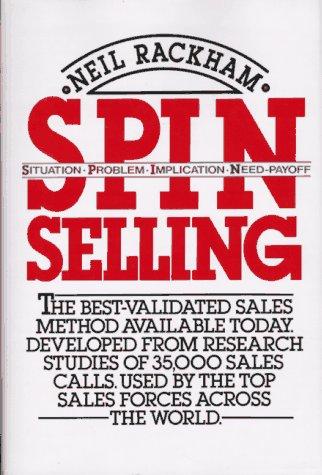
SPIN Selling
BookN. Rackham · 1988
Grounded in the analysis of thousands of sales calls, the SPIN method structures customer discovery through four types of question (Situation, Problem, Implication, Need-payoff) for complex sales.

The Negotiating Game
BookC. L. Karrass · 1970
A pragmatic classic of business negotiation: tactics, power balance and preparation. Karrass sums up his motto, you get what you negotiate, not what you deserve.

Secrets of Power Negotiating
BookR. Dawson · 1987
An arsenal of opening, middle and closing "gambits" to gain the upper hand in commercial negotiation, explained step by step.
C. Karrass, R. Dawson, H. Cohen, N. Rackham (SPIN), T. Gordon (DESC / active listening).
On video
Videos to picture The Columbo Technique and anchor it through examples.
A verified video selection is being enriched; the search above already surfaces the best videos on the topic.
Technique map
Every technique sits within a network: what it draws on, what it combines with, where it applies, and how to defend against it.
Spot its signals, neutralise it and turn it around with the defensive playbook on this page.
See the counter-techniquesThe Columbo technique consists in playing on naivety and modesty to disarm the other party: by seeming unthreatening and slightly lost, you lower their defences and obtain information or admissions that an expert posture would never have allowed. The famous “just one last question…” does the rest.
Use silence in turn: whoever speaks first often concedes.
Filling the void by giving up a concession.
Our programmes turn theory into a concrete advantage.